I have written in a diary for as long as I can remember. Definitely since my early teens. It started with ‘what happened in school today’ and the thoughts I couldn’t tell anyone else. It wasn’t always daily and would often be when something noteworthy had happened or I was sad or angry. I kept a diary all through university and I still have many of my diaries from my late teens.
 I’m not sure when it became journalling rather than keeping a diary. In my teenage mind a diary is a locked book, kept under your mattress away from prying eyes. As an adult, my journal is a place to clear my mind and get thoughts down on paper. These days with Pinterest, TikTok and Instagram all showing beautiful journals, with different purposes, it has come a long way from the TinkerBell notebook and 4-colour pen I started with in the 1990’s!
It can be overwhelming when searching for journal ideas or how to start to journal now. What type of journal do you want to keep? What will it contain? Do you want a common place journal? A gratitude journal? How about a bullet journal? Are you tracking or recording? Will you add photos or stickers? Write in the past, present or future? The options are pretty endless.
I currently have two journals on the go. One for random thoughts and plans, and one for morning pages. They both help me clear my head in different ways.
Morning Pages
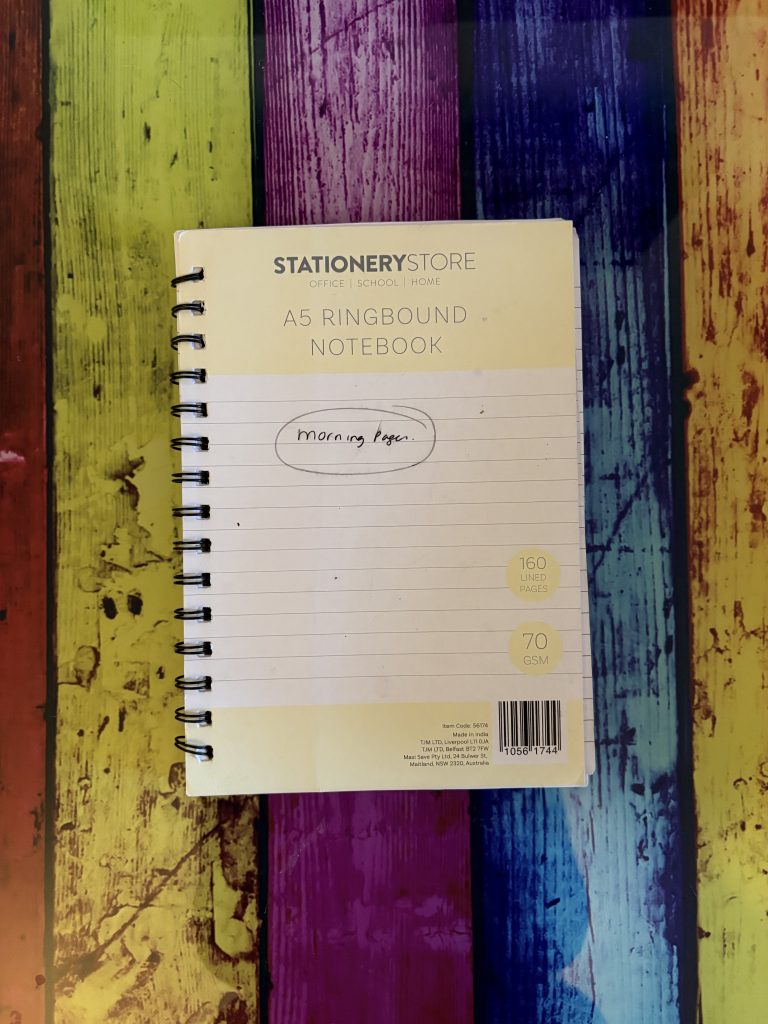
Potentially the easiest way to get started, Morning Pages are a stream of conciousness type of writing done first thing in the morning. I use a cheap, spiral bound notebook so that I am not worried about messing it up. I tend to write with my first cup of tea of the day, and the aim is to write 3 pages without stopping of whatever comes into your head. Whether that’s ‘I don’t know what to write’ over and over, or the dreams you had last night, plans for the day ahead, or something that’s bothering you. You can talk about the weather, the laundry you need to do, what your partner did to annoy you yesterday – whatever you need to get out of your head.
This practice has come from Julia Cameron’s book and course ‘The Artist’s Way’. I started writing Morning Pages in November of last year and have missed only a handful of days, often coming back to do it in the afternoon or before bed if needed. It’s a conversation with myself and I can often talk myself out of a bad mood once it’s all down on paper or get ideas and answers to problems or issues I’ve been mulling over.
Journal Number 2
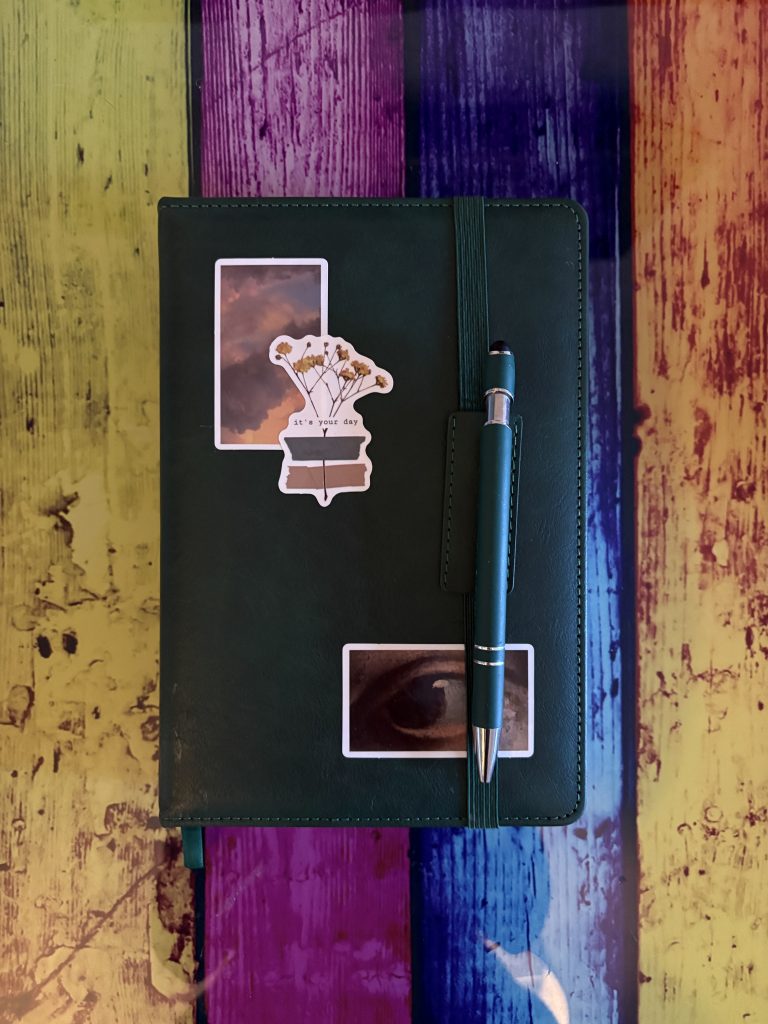
My second journal has no special purpose and is, in some ways, my ‘Dear Diary’ where I will include noteable events, such as my nephew being born, or things I’d like to remember. It’s where I write down my goals and plans. I add my tarot spreads, routines and rituals. I’ve included gratitude lists, projects, quotes and anything else that catches my eye or thoughts. My favourite notebook at the moment has a contents page at the front so I can keep track of the pages I want to easily find again – like the start of the month or a tarot spread to remember. Similar to a bullet journal, but without the structure and rules.
I do write in it most days, but I don’t feel sorry if I’ve missed a day. It’s not a dated book, so I can jst write the date at the top of the page.
How to Get Started
It’s so easy to get bogged down in finding the right notebook and perfect pen, and if these will encourage you to write, then absolutely go and buy the nice things. If it will make you nervous about starting or you get ‘blank page fear’, then go and buy a cheap notebook and a grab whatever pen is close at hand and just write.
Here are some of the tips that have worked for me to have a consistent journaling habit that helps me to clear my head:
Keep it Close at Hand
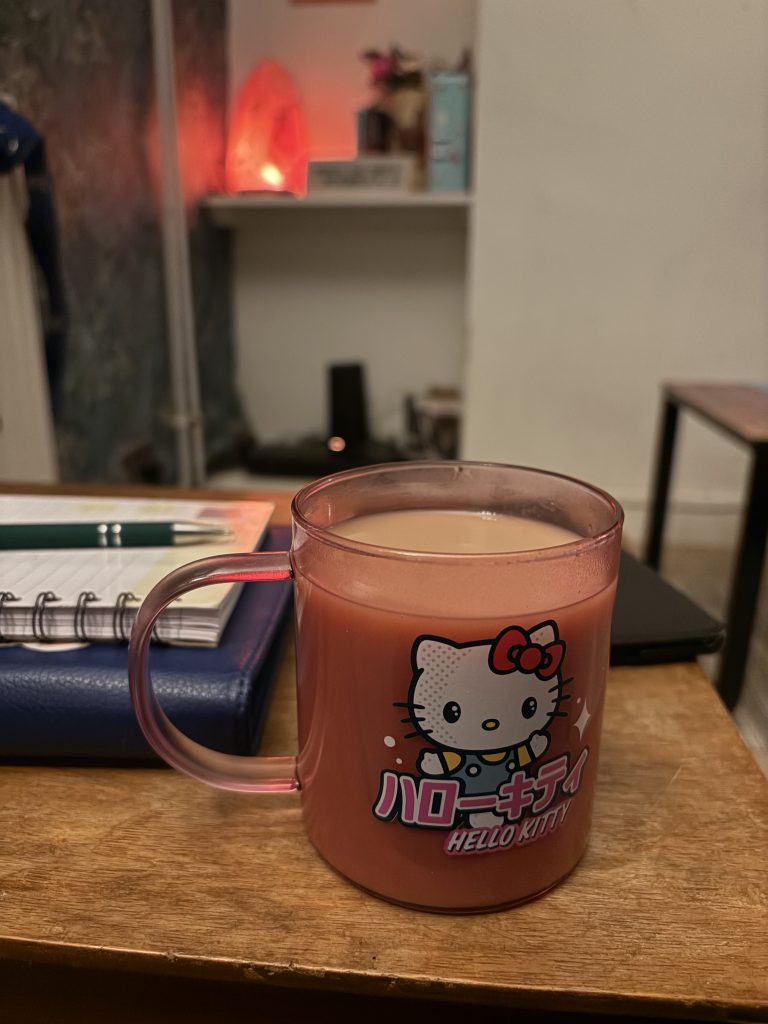
Wherever you are most likely to do your writing, keep your supplies close at hand. I tend to write on my sofa, so I have a table with storage next to me that holds all of my journaling and morning routine supplies. My two notebooks, a pencil case with writing supplies, current reading book and my planners. It means I can make my tea in the morning and my morning pages notebook is ready for me. If I have something I want to write down during the day, I know exactly where my journal is.
Try to do it at the Same Time Every Day
Definitely when you get started, I would aim to write at the same time every day. The morning pages are a great way to start. The intention is to write first thing when you wake up in the morning to get any thoughts out of your head before you start your day. Maybe you have a little space after the school run or after work, or maybe add journalling to your evening routine and write your thoughts down before bed.
Keep a List of Ideas or Prompts
If you don’t know what to write or have that ‘blank page fear’ here are some suggestions for what to write.
- Whatever is in your head. If your brain is saying ‘This is silly, this won’t help. What am I supposed to write?’ start with that and keep going. You should find your thoughts will start to wander, just go with it.
- Gratitude is a great way to start a daily practice. Just write down a couple of things you are grateful for. They can be big things or little things, you can write the same things every day until you get into the habit.
- If you really can’t think of anything, find some affirmations you like the sound of and write those down everyday.
- You could write about your goals and dreams and what it will be like when you achieve them, or how you will get there.
- Start with ‘Dear Diary’ and write what you did today or the day before, include how you felt. Did you have any wins or successes to remember?
If this has inspired you to start journaling or get back to it, I’d love to know. Or if you have any tips you can share feel free to leave a comment below.